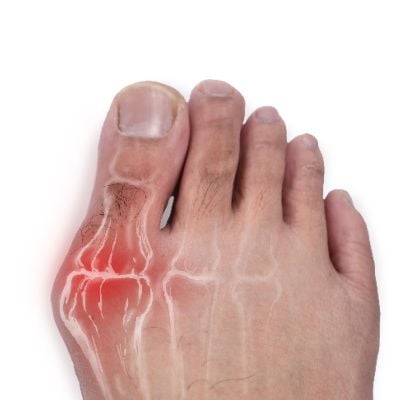
 Bunions, medically referred to as Hallux Abducto Valgus, are a common yet often misunderstood foot condition that can cause discomfort, pain, and changes in foot structure. In this comprehensive guide, we will delve into the intricacies of bunions—exploring their causes, recognizing symptoms, discussing preventive measures, and outlining effective management strategies.
Unraveling the Mystery of Bunions
Defining Bunions
A bunion is a bony bump that forms at the base of the big toe joint. This condition develops when the big toe pushes against the adjacent toe, forcing the joint to become misaligned and protrude outward. Bunions can be painful and may lead to difficulties in finding comfortable footwear.
Hallux Abducto Valgus: The Medical Terminology
The term "Hallux Abducto Valgus" precisely describes the deviation of the big toe (hallux) away from the normal alignment, leading to a valgus deformity or outward angulation. Understanding this medical terminology provides insight into the specific nature of the bunion condition.
Causes and Risk Factors
Genetic Predisposition
Genetics plays a significant role in bunion development. Individuals with a family history of bunions are more likely to inherit the foot structure and mechanics that contribute to the condition.
Foot Structure and Mechanics
Certain foot shapes and mechanical abnormalities can increase the risk of bunions. Conditions such as flat feet, low arches, or instability in the joint can create an environment conducive to bunion formation.
Improper Footwear
Wearing ill-fitting shoes, especially those with narrow toe boxes and high heels, can contribute to bunion development. These footwear choices place excessive pressure on the big toe joint, exacerbating misalignment.
Recognizing Symptoms of Bunions
Visible Bump at the Base of the Big Toe
The most apparent symptom of bunions is the visible bump at the base of the big toe. This bump may be accompanied by redness, swelling, or inflammation.
Pain and Discomfort
Bunions can cause pain and discomfort, particularly when wearing shoes or engaging in activities that put pressure on the affected joint. The pain may range from mild to severe, impacting daily activities.
Limited Range of Motion
As bunions progress, they can restrict the normal range of motion of the big toe. This limitation may affect walking patterns and overall foot function.
Diagnosing Bunions
Clinical Examination
A healthcare professional, often a podiatrist, can diagnose bunions through a thorough clinical examination. This includes assessing foot structure, joint mobility, and evaluating the extent of the bunion deformity.
X-rays
X-rays provide detailed images of the bones and joints in the foot, allowing healthcare providers to accurately measure the angle of the bunion and assess its severity. X-rays are instrumental in guiding treatment decisions.
Differential Diagnosis
Distinguishing bunions from other foot conditions with similar symptoms, such as arthritis or gout, is crucial. A comprehensive evaluation ensures an accurate diagnosis and appropriate treatment plan.
Preventive Measures
Footwear Choices
Choosing footwear with a wide toe box and low heels helps alleviate pressure on the big toe joint and may prevent the progression of bunions. Supportive shoes with proper arch support can also contribute to foot health.
Toe Exercises and Stretching
Engaging in toe exercises and stretching can improve joint flexibility and strengthen the muscles around the big toe. These exercises may be particularly beneficial for individuals with a family history of bunions.
Orthotic Inserts
Custom or over-the-counter orthotic inserts can provide additional support to the foot, addressing mechanical issues that contribute to bunion formation. These inserts can help distribute pressure more evenly across the foot.
Non-Surgical Treatment Options
Pain Management
Non-prescription pain relievers, such as acetaminophen or nonsteroidal anti-inflammatory drugs (NSAIDs), can help manage pain and reduce inflammation associated with bunions.
Bunion Pads and Splints
Bunion pads and splints can help cushion the bunion and maintain proper alignment of the big toe. These devices may be recommended to alleviate discomfort and prevent worsening of the deformity.
Physical Therapy
Physical therapy sessions tailored to address bunion-related issues can include exercises to improve joint mobility, strengthen muscles, and promote overall foot health.
Surgical Interventions
Bunionectomy
A bunionectomy is a surgical procedure that involves the removal of the bony bump and realignment of the big toe joint. Different techniques may be employed based on the severity of the bunion.
Osteotomy
In cases of significant deformity, an osteotomy may be performed to cut and reposition the bones, restoring proper alignment. This surgical approach aims to correct the structural issues contributing to the bunion.
Arthrodesis
Arthrodesis involves fusing the affected joint to provide stability and alleviate pain. This procedure is reserved for severe cases where other surgical options may not be sufficient.
Post-Surgical Recovery and Rehabilitation
Immobilization
Following surgery, the foot may be immobilized with a cast or surgical boot to facilitate proper healing. Immobilization helps prevent stress on the surgical site.
Physical Therapy and Exercises
Rehabilitation exercises play a crucial role in restoring normal foot function after surgery. Physical therapy helps strengthen muscles, improve joint flexibility, and optimize overall foot mobility.
Gradual Return to Activities
Patients are guided through a gradual return to weight-bearing activities. Healthcare providers monitor progress and ensure that the foot heals correctly during the recovery period.
Lifestyle Considerations
Footwear Choices Post-Surgery
After surgery, choosing appropriate footwear is crucial. Supportive shoes with a wide toe box help maintain the benefits of surgical intervention and prevent recurrence.
Regular Check-Ups
Regular follow-up appointments with healthcare providers allow for the monitoring of foot health, ensuring that the surgical outcome is sustained over time.
Conclusion
In conclusion, bunions, or Hallux Abducto Valgus, present both cosmetic and functional challenges. From understanding their causes and recognizing symptoms to implementing preventive measures and considering various treatment options, individuals with bunions have a range of choices to manage their condition effectively. Whether through non-surgical interventions to alleviate pain or surgical procedures for structural correction, a personalized approach, guided by healthcare professionals, ensures the best possible outcome. By prioritizing foot health, making informed lifestyle choices, and seeking timely intervention when needed, individuals with bunions can embark on a journey towards improved comfort, restored function, and enhanced overall well-being.


Disclaimer:
The information on this website is provided for educational and information purposes only and is not medical advice. Always consult with a licensed medical provider and follow their recommendations regardless of what you read on this website. If you think you are having a medical emergency, dial 911 or go to the nearest emergency room. Links to other third-party websites are provided for your convenience only. If you decide to access any of the third-party websites, you do so entirely at your own risk and subject to the terms of use for those websites. Neither Total Foot and Ankle of Tampa Bay, nor any contributor to this website, makes any representation, express or implied, regarding the information provided on this website or any information you may access on a third-party website using a link. Use of this website does not establish a doctor-patient relationship. If you would like to request an appointment with a health care provider, please call our office at (813) 788-3600.