
- posted: Aug. 22, 2025
For individuals living with diabetes, foot health is more than just comfort—it’s a vital part of overall wellness. Reduced circulation and nerve damage (neuropathy) can make it harder to notice injuries, which may lead to slow healing and serious infections. Diabetic foot ulcers are one of the most common and potentially dangerous complications.
How Foot Ulcers Develop
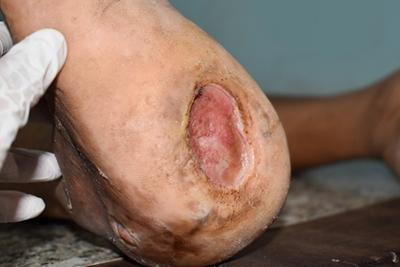
Foot ulcers often start with something small, like a blister, cut, or callus. In people with diabetes, reduced blood flow slows healing, while neuropathy can make injuries go unnoticed. Without timely care, these wounds can worsen, leading to infections that may require advanced treatment.
Prevention Strategies That Work
The good news is that diabetic foot ulcers are largely preventable with consistent care:
- Daily Foot Checks – Inspect feet for cuts, redness, swelling, or changes in skin texture.
- Proper Footwear – Wear shoes that fit well and protect the feet from friction and pressure.
- Moisturize, But Avoid Between Toes – Prevent skin dryness without creating damp areas where bacteria can thrive.
- Regular Podiatry Visits – Professional checkups can detect early warning signs before they become serious.
- Blood Sugar Control – Maintaining healthy glucose levels supports circulation and healing.
When to Seek Immediate Care
If you notice an open sore, unusual swelling, or signs of infection such as redness and warmth, it’s important to contact a foot specialist right away. Early intervention can prevent complications and protect long-term mobility.
Specialized Foot Care Across Tampa Bay
At Total Foot and Ankle of Tampa Bay, patients with diabetes receive expert evaluation, preventive care, and advanced treatment options for foot health. With offices in Zephyrhills, Sun City Center, Wesley Chapel, Apollo Beach, and Brandon, care is always within reach. Call (813) 788-3600 to schedule an appointment and keep your feet healthy for years to come.
- posted: Aug. 22, 2025
For individuals living with diabetes, foot health is more than just comfort—it’s a vital part of overall wellness. Reduced circulation and nerve damage (neuropathy) can make it harder to notice injuries, which may lead to slow healing and serious infections. Diabetic foot ulcers are one of the most common and potentially dangerous complications.
How Foot Ulcers Develop
Foot ulcers often start with something small, like a blister, cut, or callus. In people with diabetes, reduced blood flow slows healing, while neuropathy can make injuries go unnoticed. Without timely care, these wounds can worsen, leading to infections that may require advanced treatment.
Prevention Strategies That Work
The good news is that diabetic foot ulcers are largely preventable with consistent care:
- Daily Foot Checks – Inspect feet for cuts, redness, swelling, or changes in skin texture.
- Proper Footwear – Wear shoes that fit well and protect the feet from friction and pressure.
- Moisturize, But Avoid Between Toes – Prevent skin dryness without creating damp areas where bacteria can thrive.
- Regular Podiatry Visits – Professional checkups can detect early warning signs before they become serious.
- Blood Sugar Control – Maintaining healthy glucose levels supports circulation and healing.
When to Seek Immediate Care
If you notice an open sore, unusual swelling, or signs of infection such as redness and warmth, it’s important to contact a foot specialist right away. Early intervention can prevent complications and protect long-term mobility.
Specialized Foot Care Across Tampa Bay
At Total Foot and Ankle of Tampa Bay, patients with diabetes receive expert evaluation, preventive care, and advanced treatment options for foot health. With offices in Zephyrhills, Sun City Center, Wesley Chapel, Apollo Beach, and Brandon, care is always within reach. Call (813) 788-3600 to schedule an appointment and keep your feet healthy for years to come.