
- posted: Feb. 23, 2026
Total Foot & Ankle of Tampa Bay provides advanced diagnosis and treatment for heel pain across Brandon, Wesley Chapel, Zephyrhills, Riverview, and Sun City Center, Florida.
If you're searching:
“Why does my heel hurt in the morning?”
“Why does it feel like I’m stepping on a nail?”
“Is this plantar fasciitis?”
This guide explains exactly what plantar fasciitis feels like, why it happens, and when you should see a foot specialist in Tampa Bay.
What Is Plantar Fasciitis?
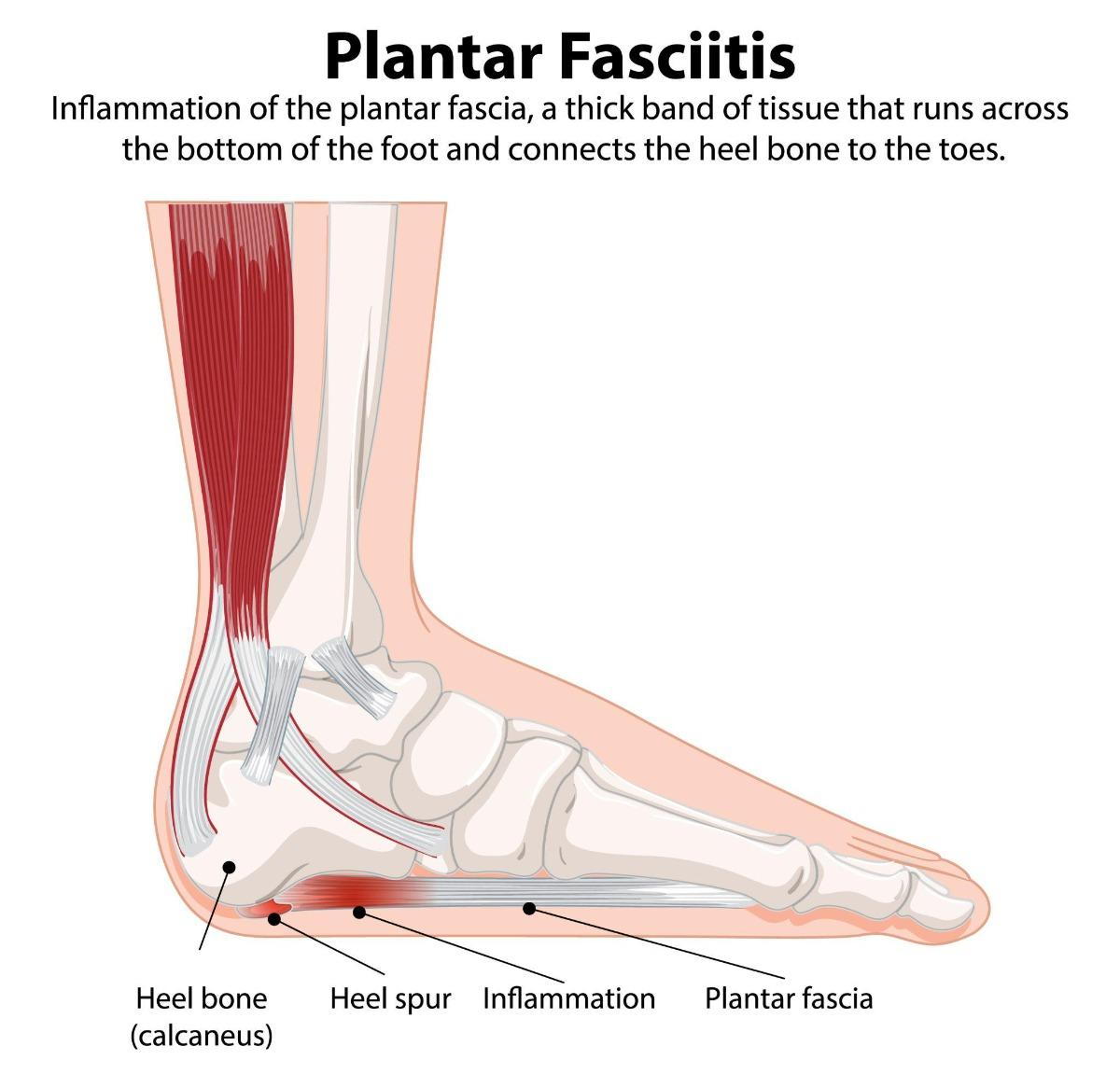
Plantar fasciitis occurs when the plantar fascia—the thick band of connective tissue on the bottom of your foot—becomes inflamed or overstressed.
This tissue supports your arch and absorbs shock with every step. When irritated, it produces a very specific pattern of heel pain.
What Does Plantar Fasciitis Feel Like?
Patients in our Brandon, Riverview, Wesley Chapel, Zephyrhills, and Sun City Center offices most commonly describe it as:
1. Sharp, Stabbing Pain in the Heel
The most classic symptom:
A sharp, stabbing pain on the bottom of the heel
Often described as stepping on a nail or needle
Localized to one small point near the inside of the heel
This pain is usually worst with the first steps in the morning.
Why Morning Pain Happens
Overnight, the plantar fascia tightens. When you stand up, it suddenly stretches — triggering sharp pain.
This “first-step pain” is one of the strongest indicators of plantar fasciitis.
2. Pain That Improves… Then Returns
Another hallmark pattern:
First few steps = very painful
Walking for a few minutes = pain decreases
Standing long hours = pain returns
Many Tampa Bay patients report pain worsening after long work shifts, especially those who:
Work in healthcare
Teach
Work retail or warehouse jobs
Stand on concrete floors
3. Deep, Aching Heel Discomfort
As inflammation progresses, the pain may shift from sharp to:
Dull
Throbbing
Deep aching in the heel
It may feel worse:
After exercise
After climbing stairs
Walking barefoot on tile floors (common in Florida homes)
4. Tightness Along the Arch
Some patients feel:
Pulling in the arch
Stiffness along the bottom of the foot
Tenderness when pressing the heel
If you have tight calf muscles, symptoms are often more intense.
Where Is Plantar Fasciitis Pain Located?
Pain is typically:
On the bottom of the heel
Slightly toward the inside (medial side)
Rarely in the back of the heel
If pain is located at the back of the heel near the Achilles tendon, a different diagnosis may be considered.
What It Usually Does NOT Feel Like
Plantar fasciitis typically does not cause:
Burning or tingling
Numbness
Electric shock sensations
Significant swelling
If you’re experiencing those symptoms, a nerve condition may need evaluation.
When Is Heel Pain Most Severe?
Most patients in our Tampa Bay clinics report pain is worst:
First thing in the morning
After sitting for long periods
After long days standing
After intense exercise
Walking barefoot on hard surfaces
Early vs. Advanced Symptoms
Early Stage
Mild morning soreness
Pain improves quickly
Moderate Stage
Pain returns during the day
Heel is tender to touch
Chronic Stage
Persistent heel ache
Pain during normal walking
Changes in gait causing knee, hip, or back strain
Ignoring symptoms can lead to prolonged inflammation.
Why Is Plantar Fasciitis So Common in Tampa Bay?
In our Brandon, Wesley Chapel, Riverview, Zephyrhills, and Sun City Center locations, contributing factors include:
Year-round sandal or flip-flop use
Walking barefoot indoors
Long work shifts
Increased activity during Florida winters
Hard flooring surfaces
Supportive footwear plays a major role in prevention.
When Should You See a Podiatrist?
Schedule an evaluation at Total Foot & Ankle of Tampa Bay if:
Pain lasts more than 2–3 weeks
It interferes with work or exercise
Morning pain is worsening
Stretching does not help
Symptoms return repeatedly
Early treatment significantly reduces recovery time.
How We Treat Plantar Fasciitis
Treatment plans are customized and may include:
Custom orthotics
Medical-grade arch supports
Targeted stretching programs
Night splints
Anti-inflammatory therapies
Shockwave therapy for resistant cases
Most patients improve without surgery.
Quick Self-Assessment Checklist
You may have plantar fasciitis if:
☑ Sharp heel pain in the morning
☑ Pain improves after walking
☑ Pain returns after standing
☑ Tenderness under the heel
☑ Arch tightness
If several apply, professional evaluation is recommended.
Frequently Asked Questions
Is plantar fasciitis permanent?
No. With proper treatment, most patients recover fully.
Can it go away on its own?
Mild cases sometimes improve, but untreated inflammation can become chronic.
Do I need X-rays?
Most cases are diagnosed clinically without imaging.
Heel Pain Treatment in Brandon, Wesley Chapel, Zephyrhills, Riverview & Sun City Center
Total Foot & Ankle of Tampa Bay provides comprehensive heel pain treatment at all five Tampa Bay locations.
If heel pain is limiting your activity, early evaluation can prevent long-term complications and speed recovery.
Call today to schedule an appointment at the location nearest you.
- posted: Feb. 23, 2026
Total Foot & Ankle of Tampa Bay provides advanced diagnosis and treatment for heel pain across Brandon, Wesley Chapel, Zephyrhills, Riverview, and Sun City Center, Florida.
If you're searching:
“Why does my heel hurt in the morning?”
“Why does it feel like I’m stepping on a nail?”
“Is this plantar fasciitis?”
This guide explains exactly what plantar fasciitis feels like, why it happens, and when you should see a foot specialist in Tampa Bay.
What Is Plantar Fasciitis?
Plantar fasciitis occurs when the plantar fascia—the thick band of connective tissue on the bottom of your foot—becomes inflamed or overstressed.
This tissue supports your arch and absorbs shock with every step. When irritated, it produces a very specific pattern of heel pain.
What Does Plantar Fasciitis Feel Like?
Patients in our Brandon, Riverview, Wesley Chapel, Zephyrhills, and Sun City Center offices most commonly describe it as:
1. Sharp, Stabbing Pain in the Heel
The most classic symptom:
A sharp, stabbing pain on the bottom of the heel
Often described as stepping on a nail or needle
Localized to one small point near the inside of the heel
This pain is usually worst with the first steps in the morning.
Why Morning Pain Happens
Overnight, the plantar fascia tightens. When you stand up, it suddenly stretches — triggering sharp pain.
This “first-step pain” is one of the strongest indicators of plantar fasciitis.
2. Pain That Improves… Then Returns
Another hallmark pattern:
First few steps = very painful
Walking for a few minutes = pain decreases
Standing long hours = pain returns
Many Tampa Bay patients report pain worsening after long work shifts, especially those who:
Work in healthcare
Teach
Work retail or warehouse jobs
Stand on concrete floors
3. Deep, Aching Heel Discomfort
As inflammation progresses, the pain may shift from sharp to:
Dull
Throbbing
Deep aching in the heel
It may feel worse:
After exercise
After climbing stairs
Walking barefoot on tile floors (common in Florida homes)
4. Tightness Along the Arch
Some patients feel:
Pulling in the arch
Stiffness along the bottom of the foot
Tenderness when pressing the heel
If you have tight calf muscles, symptoms are often more intense.
Where Is Plantar Fasciitis Pain Located?
Pain is typically:
On the bottom of the heel
Slightly toward the inside (medial side)
Rarely in the back of the heel
If pain is located at the back of the heel near the Achilles tendon, a different diagnosis may be considered.
What It Usually Does NOT Feel Like
Plantar fasciitis typically does not cause:
Burning or tingling
Numbness
Electric shock sensations
Significant swelling
If you’re experiencing those symptoms, a nerve condition may need evaluation.
When Is Heel Pain Most Severe?
Most patients in our Tampa Bay clinics report pain is worst:
First thing in the morning
After sitting for long periods
After long days standing
After intense exercise
Walking barefoot on hard surfaces
Early vs. Advanced Symptoms
Early Stage
Mild morning soreness
Pain improves quickly
Moderate Stage
Pain returns during the day
Heel is tender to touch
Chronic Stage
Persistent heel ache
Pain during normal walking
Changes in gait causing knee, hip, or back strain
Ignoring symptoms can lead to prolonged inflammation.
Why Is Plantar Fasciitis So Common in Tampa Bay?
In our Brandon, Wesley Chapel, Riverview, Zephyrhills, and Sun City Center locations, contributing factors include:
Year-round sandal or flip-flop use
Walking barefoot indoors
Long work shifts
Increased activity during Florida winters
Hard flooring surfaces
Supportive footwear plays a major role in prevention.
When Should You See a Podiatrist?
Schedule an evaluation at Total Foot & Ankle of Tampa Bay if:
Pain lasts more than 2–3 weeks
It interferes with work or exercise
Morning pain is worsening
Stretching does not help
Symptoms return repeatedly
Early treatment significantly reduces recovery time.
How We Treat Plantar Fasciitis
Treatment plans are customized and may include:
Custom orthotics
Medical-grade arch supports
Targeted stretching programs
Night splints
Anti-inflammatory therapies
Shockwave therapy for resistant cases
Most patients improve without surgery.
Quick Self-Assessment Checklist
You may have plantar fasciitis if:
☑ Sharp heel pain in the morning
☑ Pain improves after walking
☑ Pain returns after standing
☑ Tenderness under the heel
☑ Arch tightness
If several apply, professional evaluation is recommended.
Frequently Asked Questions
Is plantar fasciitis permanent?
No. With proper treatment, most patients recover fully.
Can it go away on its own?
Mild cases sometimes improve, but untreated inflammation can become chronic.
Do I need X-rays?
Most cases are diagnosed clinically without imaging.
Heel Pain Treatment in Brandon, Wesley Chapel, Zephyrhills, Riverview & Sun City Center
Total Foot & Ankle of Tampa Bay provides comprehensive heel pain treatment at all five Tampa Bay locations.
If heel pain is limiting your activity, early evaluation can prevent long-term complications and speed recovery.
Call today to schedule an appointment at the location nearest you.