
- posted: Mar. 27, 2026
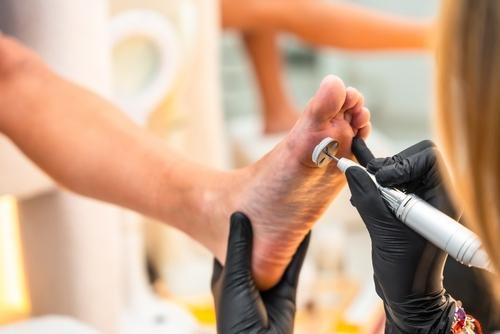
Calluses develop as a natural response to repeated pressure or friction, but when they become thick or painful, professional removal may be recommended. At Total Foot and Ankle of Tampa Bay, patients in Brandon, Zephyrhills, Sun City Center, Wesley Chapel, and Riverview, FL, receive care to safely reduce calluses and improve comfort. Knowing what to expect after treatment can help support healing and prevent the problem from returning.
What Happens After Callus Removal
After a callus is professionally reduced, the treated area may feel smoother and less sensitive to pressure. Some patients notice mild tenderness, especially if the callus was thick or had been present for a long time. This usually improves quickly as the skin adjusts.
In most cases, there is no downtime, and patients can return to normal daily activities right away. However, protecting the area in the early stages helps reduce irritation and supports proper healing.
Caring for the Skin During Recovery
Keeping the skin clean and moisturized is an important part of recovery. Applying a recommended moisturizer helps prevent dryness and reduces the chance of the callus building up again. Patients are often advised to avoid harsh or abrasive products that could irritate the skin.
Wearing properly fitted shoes is also essential. Footwear that reduces pressure and friction allows the treated area to recover and lowers the risk of recurrence.
Managing Pressure and Preventing Recurrence
Calluses form because of repeated stress, so addressing the underlying cause is key. This may include adjusting footwear, using cushioning pads, or considering custom orthotics to improve weight distribution. Small changes in daily habits can make a noticeable difference in preventing future buildup.
Patients who spend long hours on their feet or participate in high-impact activities may benefit from additional support to reduce ongoing pressure.
When to Follow Up With Your Provider
While recovery is usually straightforward, follow-up care may be recommended for patients with recurring calluses or underlying foot conditions. Persistent thickening, pain, or skin changes should be evaluated to determine if further treatment is needed.
Regular monitoring helps maintain healthy skin and reduces the risk of complications, especially for patients with conditions such as diabetes.
Callus Care in Tampa Bay, FL
Proper aftercare plays a major role in maintaining results after callus removal. At Total Foot and Ankle of Tampa Bay, patients across Brandon, Zephyrhills, Sun City Center, Wesley Chapel, and Riverview, FL, receive guidance to protect their skin and prevent future issues.
To schedule an appointment at our offices in Zephyrhills and Wesley Chapel, call (813) 788-3600. For our offices in Sun City Center, Riverview, and Brandon, FL, call (813) 633-5900.
- posted: Mar. 27, 2026
Calluses develop as a natural response to repeated pressure or friction, but when they become thick or painful, professional removal may be recommended. At Total Foot and Ankle of Tampa Bay, patients in Brandon, Zephyrhills, Sun City Center, Wesley Chapel, and Riverview, FL, receive care to safely reduce calluses and improve comfort. Knowing what to expect after treatment can help support healing and prevent the problem from returning.
What Happens After Callus Removal
After a callus is professionally reduced, the treated area may feel smoother and less sensitive to pressure. Some patients notice mild tenderness, especially if the callus was thick or had been present for a long time. This usually improves quickly as the skin adjusts.
In most cases, there is no downtime, and patients can return to normal daily activities right away. However, protecting the area in the early stages helps reduce irritation and supports proper healing.
Caring for the Skin During Recovery
Keeping the skin clean and moisturized is an important part of recovery. Applying a recommended moisturizer helps prevent dryness and reduces the chance of the callus building up again. Patients are often advised to avoid harsh or abrasive products that could irritate the skin.
Wearing properly fitted shoes is also essential. Footwear that reduces pressure and friction allows the treated area to recover and lowers the risk of recurrence.
Managing Pressure and Preventing Recurrence
Calluses form because of repeated stress, so addressing the underlying cause is key. This may include adjusting footwear, using cushioning pads, or considering custom orthotics to improve weight distribution. Small changes in daily habits can make a noticeable difference in preventing future buildup.
Patients who spend long hours on their feet or participate in high-impact activities may benefit from additional support to reduce ongoing pressure.
When to Follow Up With Your Provider
While recovery is usually straightforward, follow-up care may be recommended for patients with recurring calluses or underlying foot conditions. Persistent thickening, pain, or skin changes should be evaluated to determine if further treatment is needed.
Regular monitoring helps maintain healthy skin and reduces the risk of complications, especially for patients with conditions such as diabetes.
Callus Care in Tampa Bay, FL
Proper aftercare plays a major role in maintaining results after callus removal. At Total Foot and Ankle of Tampa Bay, patients across Brandon, Zephyrhills, Sun City Center, Wesley Chapel, and Riverview, FL, receive guidance to protect their skin and prevent future issues.
To schedule an appointment at our offices in Zephyrhills and Wesley Chapel, call (813) 788-3600. For our offices in Sun City Center, Riverview, and Brandon, FL, call (813) 633-5900.