
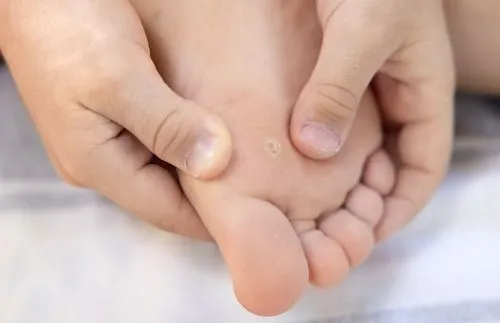
Corn Removal for Pain Relief and Healthier Feet at Brandon, Zephyrhills, Sun City Center, Wesley Chapel, & Riverview, FL
At Total Foot & Ankle of Tampa Bay, serving patients in Brandon, Zephyrhills, Sun City Center, Wesley Chapel, and Riverview, we treat painful foot conditions that interfere with walking and daily comfort. Corns often seem minor at first, but they can become increasingly painful when pressure continues. Professional corn removal helps relieve pain, protect skin health, and prevent recurrence.
What Corns Are and Why They Form
Corns develop when the skin thickens in response to repeated pressure or friction. This pressure most commonly comes from tight footwear, abnormal foot mechanics, or prominent bones that rub against shoes. Corns often appear on the tops or sides of toes, between toes, or on areas that experience constant irritation.
Unlike calluses, corns have a hardened central core that presses into deeper layers of skin. This structure explains why corns often cause sharp or burning pain, especially when walking or wearing shoes. Without treatment, corns can worsen and lead to inflammation or skin breakdown. Our approach focuses on treating both the symptoms and the causes of corns, which helps prevent future outbreaks.
Why Professional Corn Removal Matters
Many patients attempt corn removal at home using over-the-counter pads, cutting tools, or chemical treatments. These methods frequently remove only surface skin and fail to address the core issues that cause corns to form. Improper removal can also cause skin injury, infection, or ulceration, especially in patients with diabetes or poor circulation.
Professional corn removal allows us to safely remove thickened tissue while protecting healthy skin. We also identify the mechanical cause of the corn, which is essential for long-term relief. Treating symptoms alone often leads to recurrence.
How We Perform Corn Removal
We perform corn removal using sterile instruments and controlled techniques. This process reduces pressure and pain without damaging surrounding tissue. Patients typically experience immediate relief after treatment.
During the visit, we also evaluate foot structure, gait, and footwear. Addressing underlying issues such as toe deformities, improper shoes, or abnormal pressure points reduces the likelihood of the corn returning. In some cases, we recommend padding, orthotics, or shoe modifications to reduce friction on the feet and prevent recurrence.